


Today, meditation is commonly understood as self-reflection: sitting quietly, checking in with your feelings, observing your thoughts, and questioning yourself. But that’s not its original meaning. Still, it’s how the word is understood — and by that definition, I have been meditating for over thirty years.
However, the original meaning of meditation, dhyana, is far more demanding: single-pointed concentration on one thought, to the exclusion of all others. This is incredibly difficult for one reason: the nature of the mind.
An untrained mind is restless by nature. It’s like a child: impulsive, reactive, and easily bored. A child needs constant stimulation. Ask it to sit still, and it rebels almost immediately, because that’s the nature of a child.
The mind is no different. It jumps, reacts, and seeks entertainment. And the moment we ask it to sit and be quiet, it does the opposite. That’s because the mind’s default setting is to wander, drift, and meander.
Undoubtedly, the mind is restless and difficult to control, but it can be subdued by constant practice and detachment. — Bhagavad Gita
It’s something like this: imagine sitting in a perfect meditation posture, looking serene, like Lord Buddha. You begin the chant: “Om… Om… Om…” But very quickly it slips: “Om… Om… home… home… what’s for dinner? Rice or pasta? Did I remember to buy vegetables?” Before you know it, the sacred chant has been hijacked by a menu.
That’s why, for years, when people asked if I meditated, I said, “No. I prepare for meditation by making the mind meditative.”
A meditative mind is peaceful, calm and content no matter what's happening. Not switched off and in a daze, but switched on — sharp, clear and fully charged with dynamic energy.
This preparatory work is carried out through three ancient spiritual disciplines, or yogas. Yoga isn’t limited to asanas and breathing techniques. Yoga means union: uniting with your higher Self, or God, or Divinity, or whatever you prefer to call that pure, all-pervasive Consciousness.
To explain these disciplines, I’d like to wind the clock back thirty-four years to when I stepped through the sanctuary gates of the Vedanta Academy in Malavli, India.
It was 1992.
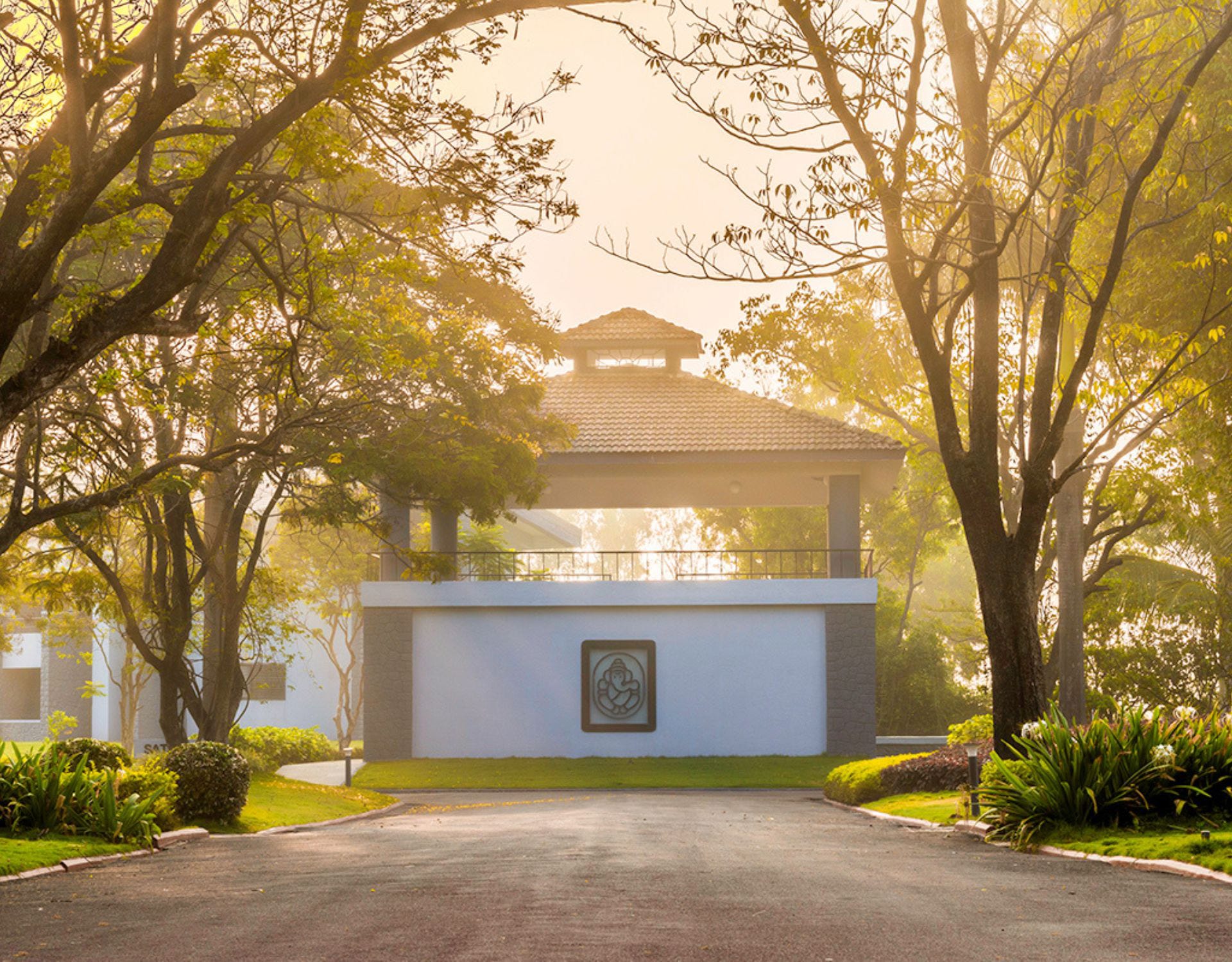
A day at the Academy began in the hush of pre-dawn. We rose early for the sacred pre-meditative practice of Jnana Yoga, the yoga of knowledge.
