
Life is a Continuation from Death to Birth
A philosophical look at what happens after death.

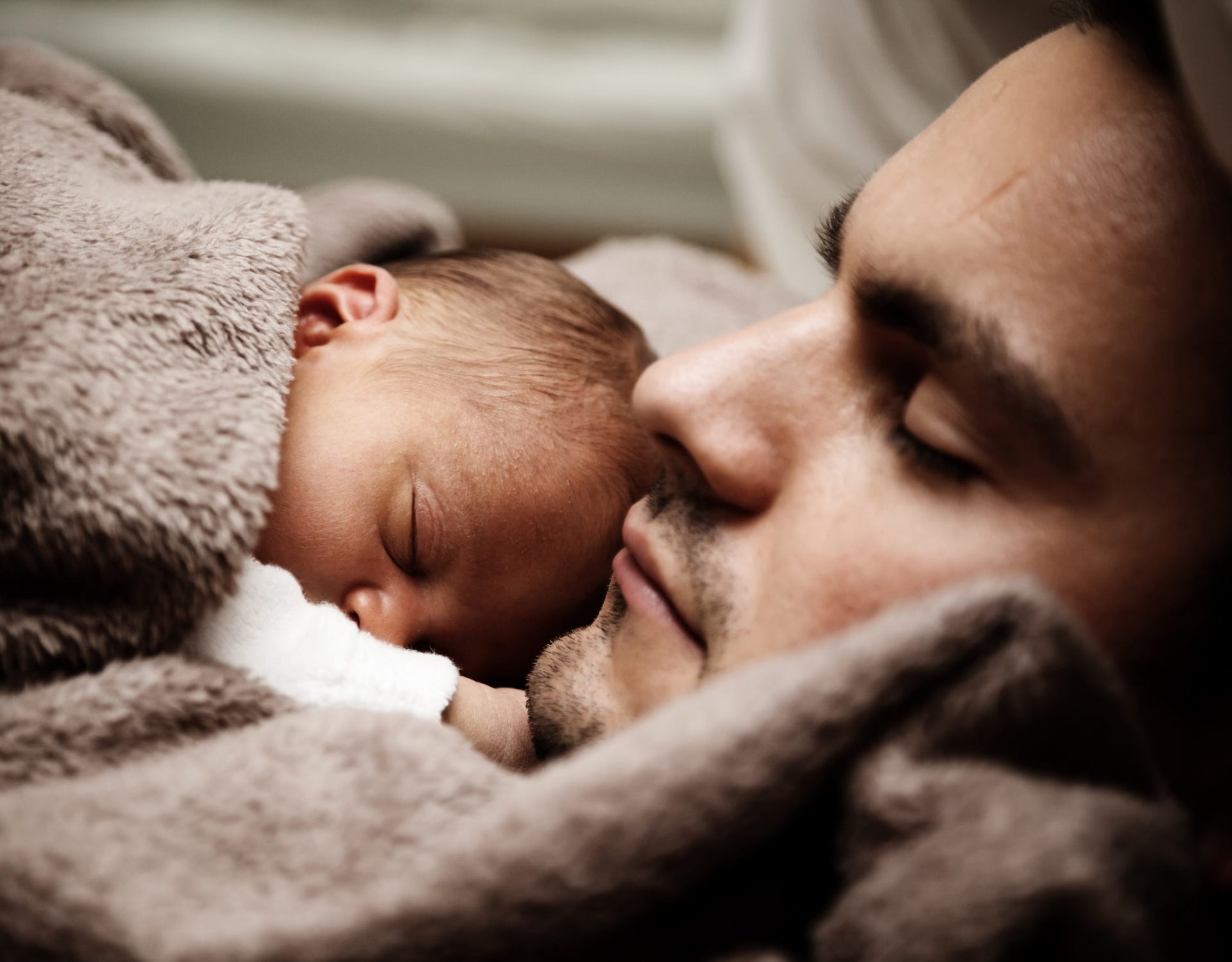
WE all have different ideas about what happens after death. Some people believe in this one life—that when a person dies, they are gone forever. Others disagree and find it hard to accept that death is the end and believe in the continuity of life.
Whatever your belief, this philosophical view, on the continuation of life from death to birth, could add to your understanding so that you don’t fear death.
Desires Continue Life
Every day, we move in a specific direction, and that is in the direction of our desires. Whatever our desires may be, we move towards their fulfilment. If we seek wealth, we take steps to acquire more wealth. If we yearn for family, we gravitate towards family.
If you prefer peace and solitude, then you do everything possible to have a peaceful and contemplative life.
Every moment, you go through one experience after another because of your desires. From the time you wake up in the morning till you sleep at night, you are continually fulfilling the demands that keep surfacing.
For example, you desire a cup of tea, so you make one. Then, you want to sit quietly and read a book. Then you want to do yoga, walk, shower, eat, etc.
At the end of your life, you still have desires that need fulfilment. What happens to those desires?
It’s unscientific to say that they die with the body, but it makes sense to say that they continue in another form.
What Happens When We Die?
When a person dies, they may still have unfulfilled desires. Most people accumulate desires throughout their lives, but very few eliminate them, which is the aim of Vedanta philosophy. Through elimination, you attain enlightenment or Self-realisation.
Now, as you age, your body changes and often can no longer fulfil your desires. Unfulfilled desires are mental energy, and any scientist will tell you that energy cannot be destroyed. It can only change from one form to another.
So, when a person (or animal) dies, it changes. The body changes—from dust to dust. The mind and intellect leave the body and, after a long sleep of death, seek out the right parentage to be born again.
Think about it. Every day, there are millions of deaths and births. Each newborn has a unique character. One child is happy, another is affectionate, yet another is always crying.
Wise men, in ancient times, accounted for the deaths on one hand and births on the other. They compared the two, and called it the theory of reincarnation.
“The old order changeth, yielding place to the new.” — Tennyson
Final Contemplation
In every moment of your life, you are doing something. Your desires drive everything you do. For example, you’re reading this because you have a desire to do so.
So, every moment of your life, from birth to death, you are driven constantly by your desires. At the time of death, you have desires that cannot be fulfilled in this body. So nature, in her infinite wisdom, gives you a new body to satisfy those desires.
So, you see, there is nothing to fear about death. Death doesn’t mean the end. It simply means a new beginning.
Don’t forget to download the app on your phone and subscribe to “Self Composed” to receive free tips and my attempt at poetry in notes throughout the week.
Till next week.
All the best

A lot to think about in this one. I'll may digest for a bit and I may be back. Not that it's too controversial, but it does give one pause to think about life/death. Beginning/end. Humans are structured to think linearly and in beginning and end. Though I find the truth to be anything but.
thankyou kindly Meredith - such great advice to follow in your comment of "strive for this daily, in every thought, emotion & action" how we think is how we feel/speak&act! most times we are goin to fast to remember/reflect on this - Thankyou:_) Such a valuable and doable exercise to strive for.